
How important are fielding coaches? Ask John Mooney
Former Ireland all-rounder explains his take on the value of fielding specialists as he starts an IPL campaign with the Delhi Capitals

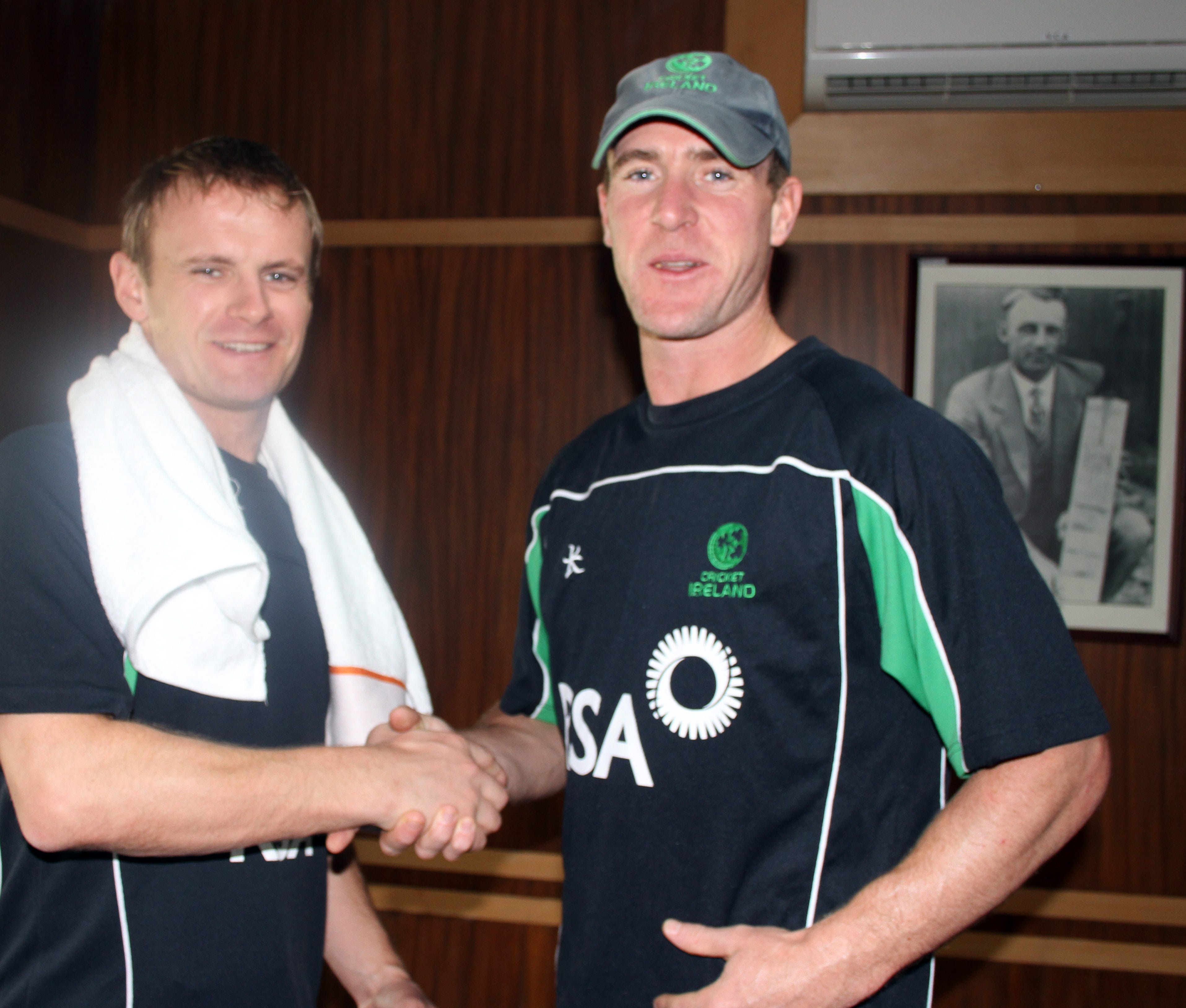
“Would love to see John Boy involved.”
It was a popular sentiment doing the rounds of cricketing WhatsApp groups throughout the winter.
First when watching the Ireland women’s side struggle in the field while in South Africa. Then during their ultimately successful T20 World Cup qualifying campaign. Similar messages were reshared when the men reached double digits for dropped catches in Sri Lanka.
Former Ireland all-rounder John Mooney is currently Afghanistan’s fielding coach. He has just been appointed in the same role for the Delhi Capitals, ensuring some Irish representation at this year’s IPL.
Perhaps it is an easy solution to look at fielding struggles at national level and point to one of the few - if not only - Irish coaches working in this area (given his skill as a player, one imagines that William Porterfield does plenty of fielding work amongst his responsibilities as an assistant at Lancashire). But it’s also a question worth asking; what is the value of a specialist fielding coach?
Mooney has been involved with Irish teams since retiring as a player. He led some fielding sessions with the women’s squad, both in recent times and when they were coached by Trent Johnston, an old teammate of Mooney’s. He has worked with another ex-teammate, Boyd Rankin, on the staff of the North West Warriors. One former Ireland coach suggested that Cricket Ireland hire Mooney only for funding to be an issue. Current players do reach out on an individual, rather than an official Ireland basis.
When questioned on their catching woes during the World Cup, Irish coaches swore by the work done on fielding. Even if no one figure has the title of fielding coach. Not all international sides have a fielding specialist on the staff, England being a notable example under Rob Key and Brendon McCullum.
Perhaps unsurprisingly, Mooney himself - who has head coaching ambitions beyond his current work - sees his fielding role as vital. A window into the specialism was given by the Delhi Capitals on Instagram, Mooney working one-on-one with a player on over-the-shoulder catching.
“They [other coaches] touch on fielding, and that’s fine and I know that they do,” said Mooney in the run-up to his IPL duties. “I’m in the background and I can pick a player, there’s so much time in cricket, you can pick your moments and dive into it. But the footage doesn’t lie, the stats don’t lie, it’s actually quite easy. Not easy, but you get the footage and show the player, try to work from there.
“I’ve got Mitchell Starc in the IPL team. I watched some footage of him and when the ball is hit to him and he’s taking a catch, he is the absolute picture of what you want to coach. But there are going to be weaker members of the squad who don’t have that technique. It’s getting their minds and getting their body right for that big moment in the game. That is your job.
“They’re all top class players. You’re not talking about changing their game totally, you’re maybe bringing an awareness to potentially they’re not getting to the ball quick enough which means they’re catching on the run. The percentage of the catch goes a lot harder. Can they then recognise that over the first few metres they can move a bit quicker, they can get into a solid base, they can do the simple things, get into the right position, have the right thought processes, have the right positive talk in the head?”
Mooney largely got his job in Delhi through a previous working relationship with Hemang Badani, the Capitals coach. He has been tasked by the director of cricket with improving the team’s catching percentage from last year.
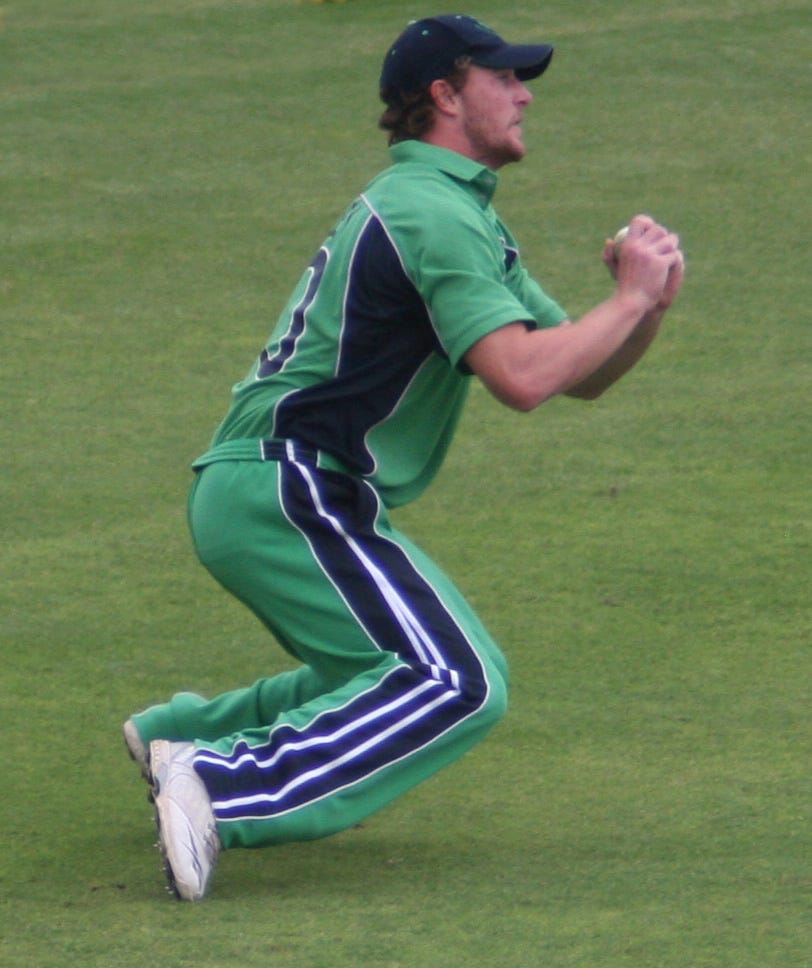
When asked about Ireland’s recent fielding woes, Mooney is keen to stress he did not watch the Irish matches live due to commitments with Afghanistan during the men’s T20 World Cup. But given his knowledge of the players and his general attitude towards Ireland’s fielding culture, he has opinions.
“If you’re batting or you’re bowling, you’re reacting in a one-on-one battle. When you’re in the field, it’s a split second. In T20 cricket, sometimes the ball can come to you four times, five times. In those four, five times, two of them could be match-changing moments. They happen over a split second.
“You have to be so focused every ball. There was obviously a lack of focus, I can’t put it down to mentality. Maybe you don’t want the ball to come to you, you want it to go to somebody else but maybe it does come to you.
“All those sort of weak traits in the mind that creep in. They creep into everybody but it’s how you are able to work with them. That’s what I find at this level is my job, it’s finding what those chinks are, what fielders have them, who’s going to be rock solid under pressure.”
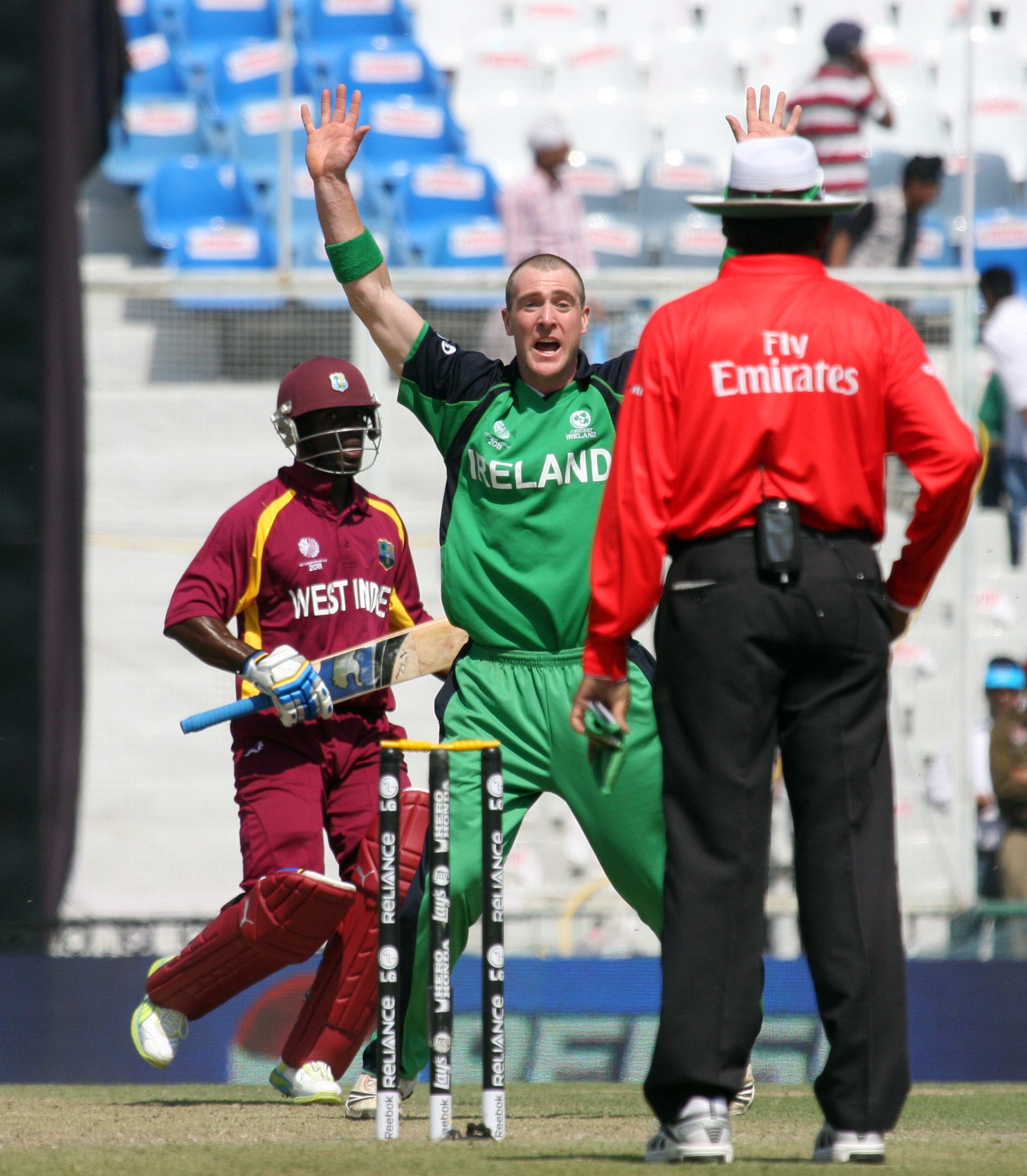
Talk of Irish fielding inaccuracy grates for those recalling the days of Ireland being viewed as one of the better sides at backing up their bowlers. The 2011 World Cup, when Ireland were led by an excellent fielder in Porterfield, stands out as a time when they were one of the world’s best fielding outfits. “We were amazing in that tournament,” says Mooney.
“I think we had four runouts in five balls in one game. We were just on it in the field. That stemmed from the group from 2007 and even before that. Adi Birrell ingrained it in Irish players that you had to be dynamic and good in the field.
“We got nothing easy that group of people. We had to train in fields, doing diving practice in a field near Balrothery which had long grass and it was the middle of winter. But it was nice to dive on. Lads came home head-to-toe in muck - we were like kids. That’s the energy and enthusiasm we had for fielding back then. I always had that.
“Gary Wilson and Nobi (Niall O’Brien), we had two great wicketkeepers. You had Trent [Johnston] who was older but he was just such a competitor, such a force. Even if I look at someone like Boyd Rankin who’s 6ft 7in, the greatest compliment that you could pay Boyd is that he never stood out in the field. He did his job.”
It sounds like Mooney is describing a culture cultivated over a long period of time. It is not a switch that can be flicked, a mindset that can be built instantly.
“I don’t think you can coach it into people,” he says. “There are Irish players that reach out to me that want to improve their fielding individually. That’s within them, there are other people that would never think to do that. You can certainly as a coach get the best out of the lads you have, that is your job. At an elite level, they should be so motivated, self-motivated that you’re just facilitating and tweaking things, helping them achieve their dreams and ambitions.
“I know that an Irish fielder, by the time he gets to the national team, he should already be a dynamic fielder, it’s what we do. That’s been ingrained in the culture of Irish cricket for years and that’s something I’m working really hard to change in the Afghanistan team.”
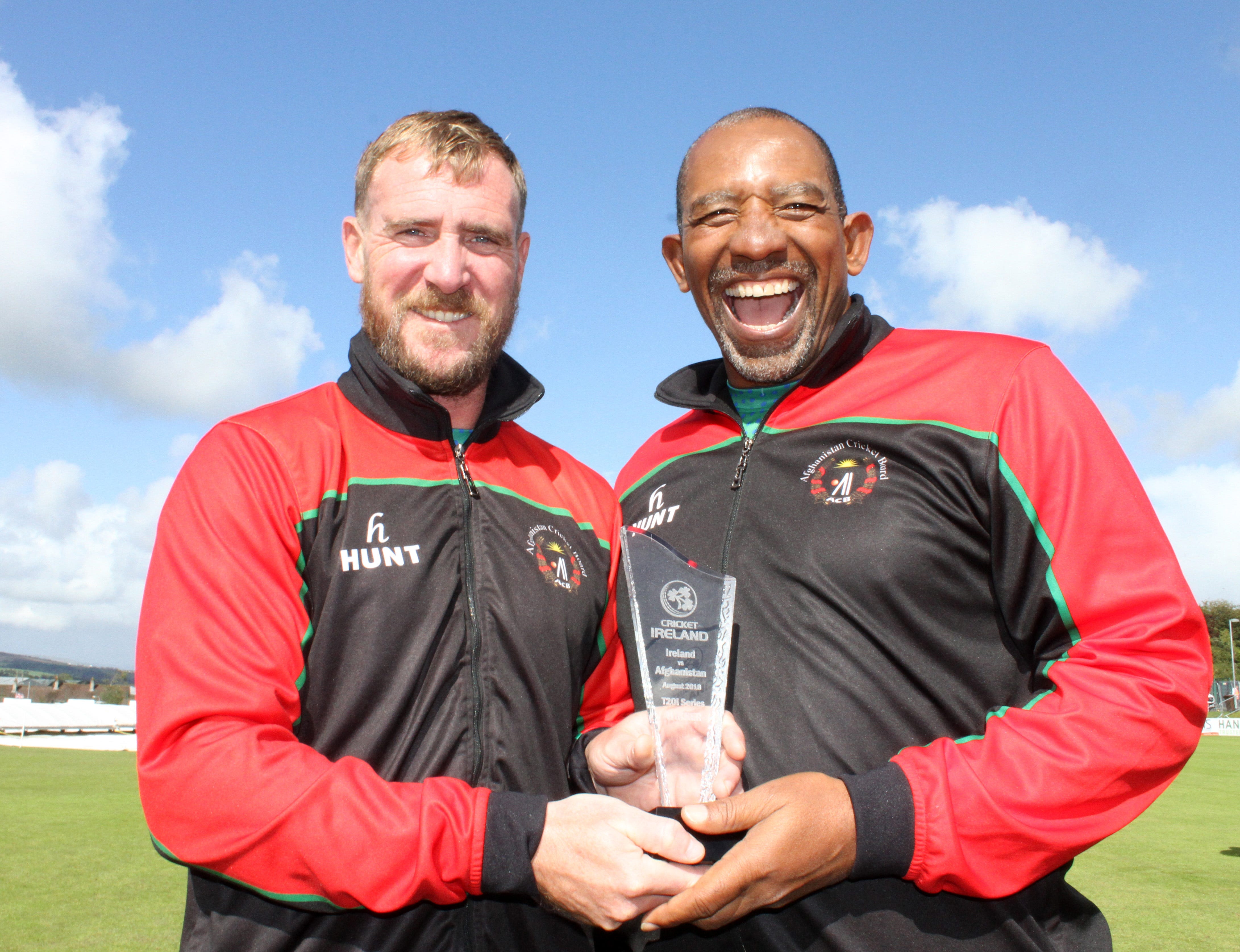
Go on then, the obvious question. Given he has been involved before (and is still based in Ireland, playing club cricket for Strabane when time allows), would Mooney want to work with Ireland on a full-time basis?
“’Ive talked a few times to the Irish set-up. I dipped back in, something with the 17s a few years ago, filled in with the women’s team for a few sessions last year.
“My opinion on it, and I have spoken to Cricket Ireland about it, is that a full programme from the youth levels in both boys and girls, we should have a defined way of being recognised throughout the world as fielders. We should be producing unbelievable fielders, like Glenn Phillips, lads like that. It’s something that teams, when they come to play Ireland, it’s like we’re coming out against the best fielding team.
“If you think about the women’s game for example, if there’s a real structure put in place to improve our athleticism and fielding and it’s focused, and our women’s team becomes one of the best fielding teams in the world, they will win so many games of cricket. I firmly believe that. They’ll rise up the rankings. They’ll go so far ahead of the Asian teams, take India out of it, just on athleticism and fielding alone.
“At underage, with more structure, we can be better. Go to those U19 World Cups and just be better in the field. I’m not saying we’re bad, but let’s be better. Let’s walk away from those tournaments with people in the commentary boxes talking, ‘Well the Irish team brought something, unbelievable fielders.’ I feel we can do that with the structure.”
After the IPL, Mooney hopes to be involved in the ETPL. Working on a rolling one-year contract, he will be in the Afghanistan dugout when they come to Ireland in August (he declined to comment when asked about the ongoing debate on hosting Afghanistan).
After that? Mooney clearly has ambition as his stock rises globally. As Cricket Ireland aims to build an Irish cricketing industry with a franchise league and more international matches, we’ll see if opportunities arise closer to home.
Interesting that John Boy highlighted Mitch Starc's fielding process of all players. Starc did his initial training as a wicketkeeper & you can see how he guides the ball into his hands like a keeper & does the footwork & eye watching to match! Perhaps the key is to start doing keeping drills & progress out from there?? Also interesting that Starc was picked out following the criticism he copped from influential Indians - cue Harsha B - in the past week for his lack of professionalism (despite being injured!). I think their need to be a way to fund a fielding coach in the Irish set-up - would rather that than a comms manager being sent over there if funding is the sole issue!